


Industrial Cables
What Is Industrial Cables
Industrial cables are used in harsh, demanding applications. This type of cable is suitable for a variety of environments where temperature may be an important factor to keep in mind. These industrial cables not only have a good temperature range; It can also withstand harsh handling such as abrasion and contact with flames.
Advantages of Industrial Cables
Reliability: Industrial cables are engineered to withstand the harsh operating conditions of power generation facilities, ensuring reliable and uninterrupted power transmission and distribution.
Safety: These cables are designed with robust insulation and shielding systems to minimize the risk of electrical hazards, such as short circuits or electrical shocks.
Efficiency: Industrial cables are optimized for efficient power transmission, reducing energy losses and improving the overall efficiency of the electrical infrastructure.
Longevity: With their durable construction and resistance to environmental factors, industrial cables offer a long service life, minimizing maintenance and replacement costs.
-
 CU/XLPE/PVC/SWA/PVC CableCU/XLPE/PVC/SWA/PVC Cable – power and auxiliary control cables for use in power networks,Add to Inquiry
 -
 NYM CablesFor internal fixed installation in domestic, commercial or industrial settings, in dry, damp or wetAdd to Inquiry
 -
 450/750V XMvK Cable450/750V XMvK Cable. XMVK Eca is a light installation cable according to fire classification EcaAdd to Inquiry
 -
 NYY CablesInsulation: PVC (Polyvinyl Chloride). Sheath: FR/PVC (Flame Retardant / Polyvinyl Chloride) toAdd to Inquiry
 -
 Xlpe Insulated Power Cablexlpe insulated power cable are used for electricity supply in low voltage installation system, TheyAdd to Inquiry
 -
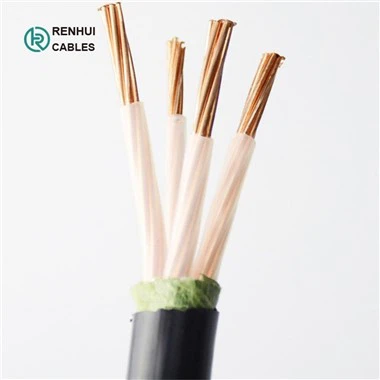 U-1000 R2V RVFVU-1000 R2V RVFV CableThese cables are indicated for the transport and distribution of low voltageAdd to Inquiry
 -
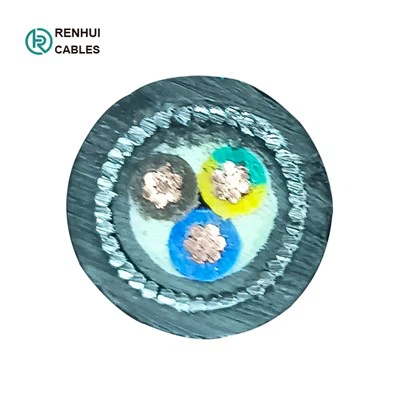 XLPE/SWA/PVC Copper Power CablesXLPE/SWA/PVC Copper Power Cables Power cable suitable for power networks, direct burial, outdoors,Add to Inquiry
 -
 Low Voltage Armoured CablesLow Voltage Armoured Cables may be used for fixed installation indoors and outdoors in cable ductsAdd to Inquiry
 -
 Cu/xlpe/pvc/swa/pvcsteel wire armoured cable 0.6/1kV power cable may be used for fixed installation indoors andAdd to Inquiry
 -
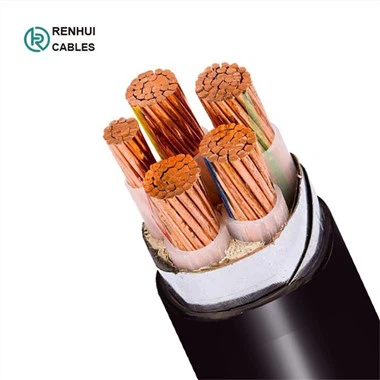 U-1000 Rvfv CableDistribution power cable for static application, mostly in ground, but also in water, withinAdd to Inquiry
 -
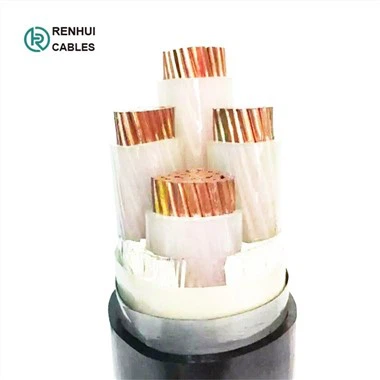 U-1000 RVFV Industrial Armoured CableAn armoured low voltage power cable with XLPE insulation and PVC outer sheath. They are ideal forAdd to Inquiry
 -
 U-1000 RVFV CU XAV XLPE PVC 0.6/1kV CableThese U-1000 RVFV cables are suitable for direct burial without additional protection or forAdd to Inquiry


- Tel: +8615006408062
- Email: cable@renhuicable.com
- Add: Building M7, Jingdong Digital Economy Industrial Park, Cuizhai Street, Start-up Area, Jinan City, Shandong Province, China.
Why Choose Us
Our Company
Our Company
Shandong Renhui Cable Co., Ltd. is founded in 2010, located in Jinan city,Shandong Province, China. The company covers an area of 50 thousand square meters, registered fund of RMB 5 million, has 100 staff and workers. We are a professional cable manufacturer in China.
Our Products
Our products mainly cover low and medium voltage cable, PVC insulated cable, XLPE insulated cable, control cable, communication cable, rubber cable, mine cable, welding cable, ship cable, aerial bundled cable and other related customized cables. These cables are used in Power metallurgy, Oil&Chemical Industry, Power Station, Mine, Port and Architectural Engineering, and other fields.
Sales Market
The products have been sold to many countries and regions in the world, such as Russia, Algeria, Bahrain, Bangladesh, Brazil, Chile, Cyprus, Indonesia, Iran, Malaysia, Oman, Dubai, Pakistan, Philippines, Singapore, Sri Lanka, Tanzania, Yemen, Kenya, Vietnam, Mongolia.
What Are The Materials Used In Industrial Cables
Here’s what you need to know about the materials used in industrial cables.
One of the first differentiations between the types of industrial cables is the metal used in its construction. Since these cables are used for added support or stability, they are made from metals that are highly regarded for strength and durability.
Steel is by far the most common material used in industrial cable construction. However, there are various types of steel, with the two main categories being stainless steel and galvanized.
Stainless steel is an alloy, meaning that it is made of several elements. Typically iron, chromium, and nickel are added to the steel, which gives it its unique shiny appearance. This also protects the metal from rust and corrosion. Stainless steel cables are often used in marine rigging and hoisting applications since the metal will not corrode in saltwater.
Galvanized steel is coated in a protective layer of zinc, which gives it a higher breaking strength than stainless steel. However, it is not as naturally resistant to corrosion and cannot be used near water. Galvanized steel cables are commonly used for industrial applications, such as logging, hoisting, and rigging.
Both galvanized cable and stainless steel cables may also come with vinyl coatings. This creates a PVC sheath around the wires, protecting them from exterior elements like water or direct sunlight. They may also be applied to make the wires more visible for safety purposes.
Occasionally, other types of metals are used such as Phos Bronze. This is a brass alloy and is commonly only used for electrical cable construction since this metal is highly conductive. Industrial cable may also be made from bright steel, which means it is not coated and is made strictly from steel. This is a very strong metal, but also prone to corrosion.
Another key differentiation between types of industrial cable is the size and number of wire strands used in its construction. Most industrial cables come in strand groupings of 7×7 or 7×19.
7×7 industrial cables are constructed of 7 strands which are made up of 7 wires each. This makes for a very stiff wire that is ideal for construction purposes. It is also widely used in aircraft and automotive applications.
7X19 industrial cables have 7 strands which are made from 19 wires. This makes the cable more flexible while simultaneously increasing its strength. 7X19 wires are often used in applications that must withstand movement and friction, such as sailboat riggings, pulley systems, and overhead cranes.
Both 7×7 and 7×19 industrial cables are also sold in varying diameters. This is the measurement of the wires used in each strand, which can range from 1/16” to 3/8”.
Every industrial cable has a central core that the wire strands wrap around. This provides the cable with stability, while also allowing for some flexibility. There are three main types of cable cores offered:
Fiber Core (FC)
Fibers like hemp, sisal, or most commonly, polypropylene, can be used in the center of the cable. This is not often the ideal choice for industrial cable and is more often found in wire ropes. The reason for this is because fiber cores are not extremely durable; however, they do allow for extreme flexibility.
Wire Strand Core (WSC)
This uses a singular wire in the center of the industrial cable as the core. A WSC cable is less flexible than a fiber core, has higher heat resistance, and additional strength. However, the singular wire core is not ideal for extreme applications with heavy weights or tension.
Independent Wire Rope Core (IWRC)
An independent wire rope core uses one of the strands as the core. So, in a 7×7 cable, one strand of 7 wires is in the center, while the other 6 are woven around it. This provides a good balance of support and flexibility. It also protects the entire cable from being crushed, making it the ideal option for heavy-duty use.
The Anatomy Of An Industrial Cable
One pragmatic approach to understanding the anatomy of industrial cable is to surgically excise each individual part. Doing so allows for isolated observation and analysis to enable understanding of how they integrally fit together for operation. Such an observation will allow you to understand the basic construction, which is imperative to distinguish industrial cable from other cable types, when designing and integrating an application.


Know Your Basics
The choices and options for industrial cable run in the hundreds and even thousands, so understanding from the beginning exactly what cable requirements are necessary can make the process of choosing the right cable a painless process.
A Typical Industrial Cable Is Constructed Of Five Basic Components, Four Of Which Are Primary And One Is Secondary:
Conductors;
Primary insulation;
Separators;
Jackets;
Filler (not in all industrial cables).
In some cases, filler is essential to meet the demands of a particular environment; in others it is not. It should also be noted that for some requirements, an industrial cable might also include an inner jacket and some type of shielding.
Pieces and parts
Analyzing the four primary components from the inside out, let's start with conductors. The industry standard of choice for conductor raw material is copper. Stranded rather than solid copper is used to increase the flexibility and durability of the cable.
Stranded copper is designed to withstand bending, even enduring flex cycles numbering in the millions. While this might seem extreme, one visit to an automotive assembly plant to view its robotics operations demonstrates the common need for high-flex cables in an industrial setting.
Frequently, copper conductors are coated to minimize corrosion. Bare copper oxidizes, but coating it with a metal not susceptible to oxidation and corrosion extends the life of the industrial cable. Materials most often used to coat the copper are tin or lead, or a combination of the two. Tin is the most common and the least expensive. With the cable industry as a whole taking a critical look at lead, and with a number of manufacturers touting lead-free products, tin is likely to remain the most common coating material.
Another reason that copper is "king" is because it can function optimally with a variety of other coatings, including nickel and silver, which work well in extremely high temperatures without tarnishing.
The industrial cable's primary insulation needs to be a gauge, or thickness, that is a good match for the temperature resistance requirements. Some factory environments present challenges to the cable's performance because of extreme temperatures, which means the industrial cable needs to be strong enough to endure intense heat, sometimes even being impervious to weld slag.
Separators and jackets
On to the next component: the separator. To facilitate ease of handling and extruding the conductors from the cable jacket, industrial cables use some form of separator. There are a multitude of materials from which to use: a coating of lubricant designed for a specific purpose and application; a thin film of talc (a technique frequently used in Europe); or, a thin layer of paper.
Employing a separator benefits both the cable manufacturer and the end user, based on the savings realized through the reduction of labor and production costs that are passed on to the end user. Because the separator aids the ease of handling, labor-cost savings are realized at the installation level as well.
Holding it all in place
Last but not least is the cable jacket. Sometimes called the "outer jacket," this material holds all the other components in place and protects them from external threats such as heat, chemicals, splashdown, UV rays, mechanical abrasion, and other trauma.
Conforming to the other components making up the cable, there is a plethora of options when it comes to choosing the cable jacket's raw materials. PVC and polyurethane (PUR) are two of the most common choices, but other options include thermoplastic elastomer (TPE), butyl rubber, and neoprene.
Shielding just in case
Another challenge that industrial cable can face is electromagnetic interference (EMI). This difficulty is magnified in factory environments where there are a lot of machines and the manufacturing process is highly automated. Electrical pollution can penetrate cables and cause interference by corrupting signal transmissions and interrupting current.
If the cable is using an inner jacket as part of the design, it can be wrapped with a foil shield to provide 360-degree shielding. The foil tape shielding protects the conductors from EMI in places where there may be a gap in a braided shield. But because of the fragile nature of foil shielding, it is recommended that braided shielding cover the foil to add strength and flex endurance to the cable's life cycle.
Connector choices
Choosing the right connector for industrial cable can be a daunting task, because the choices and options seem limitless. A simple way to choose a connector is to remember that the criteria you used to choose the cable is a good starting point.
The connectors at the end of the cables are going to have to work in the same environment and face the same challenges. So, the connectors need to meet the same performance standards as the cable.
Durability
Industrial cables are designed and manufactured to withstand harsh and abusive environmental conditions such as extreme temperatures, flexing, impact moisture, chemicals, and abrasion. They are made with high-quality materials that are designed to last longer and provide better performance in a wide range of MRO and OEM industries.
Safety
Industrial cables are designed to meet strict safety standards and regulations. They have advanced features such as high voltage rating, fire resistance, and noise reduction that ensure the safety of workers and equipment.
Reliability
Industrial cables are designed to provide reliable performance in demanding industrial environments. They undergo rigorous testing and quality control to ensure that they meet or exceed industry standards.
Cost-effectiveness
Although industrial cables are more expensive than commodity cables, they are the long run because they last longer and require less maintenance. This reduces unnecessary downtime and repair costs, which can save money in the long run.
Versatility
Industrial cables are available in a wide range of AWG sizes and types, making them suitable for various industrial applications. They can be used for power transmission, communication, control, and instrumentation.
What Are The Different Types Of Industrial Cables
Cables are frequently used in industrial contexts to transfer signals or power that may be subjected to extreme circumstances such as high temperatures, harsh chemicals, wear and tear, ozone, grease, and other challenging scenarios. Following are some types of industrial cables used in various industries:
Ethernet Cables
These are the commonly used type of network cables in wired networking systems. These are used to connect devices such as routers, computers and switches within a limited area of a network.
The length and longevity of these physical cords are restricted. A network cable that is excessively lengthy or of low quality will not provide a decent network signal. These constraints are one of the reasons why there are different types of Ethernet cables designed to accomplish particular functions in specific scenarios.
Robotic Cables
Robotic cables are specifically designed for handling the severe mechanical stress encountered in the robotic industry. Massive amounts of alternate bending cycles, transverse as well as tensile stress must be endured by robotic cables. Furthermore, there are several criteria based on temperature, grease, and chemical resistance. Hence, to meet these high standards, robotic cables are well-tested with reliable testing equipment for endurance and efficacy.
Railway cables
Railway cables are extremely crucial in meeting the present issues that the railway sector is facing. Railway wires must be self-extinguishing and flame resistant, and they must not enable flame spread. Furthermore, they should be halogen-free.
Medical cables
It is crucial that cables used in medical applications are robust and safe. These are generally to be used in a variety of settings and must fulfil the highest standard needs. There is a wide range of options available in medical cables such as torsion cables, cleanroom cables and silicone cables. These are used throughout laboratories, monitoring rooms and operating rooms.
Sensor cables
Automation, control and electronic quantification are crucial in practically every industry. Sensors and measurement techniques are inextricably linked and, in many industries, you can’t function without them.
Marine cables
The increase in demand for efficiency and light-weight has consequently increased the demand for marine cables in shipbuilding. Ship cables are to be fitted in tight spaces, necessitating maximum cable flexibility. Furthermore, they should be non-flammable, self-extinguishing and halogen-free. They should not aid in the spread of flame. Aside from complying with different international regulations, marine cables should be light in weight.
The Importance Of Industrial Cable Protection
Protecting cabling and wiring systems is critical to prevent the loss of power, signal, or data transmission that keeps various types of industrial equipment functional.
Any equipment, and the system that enables it to operate, will only be as effective as the cables that connect its separate parts - which are at risk of damage and failure in demanding conditions and harsh external environments.
That’s where cable management comes in. This isn’t just about keeping cables insulated and organised to ensure safe working conditions - it also involves cable protection measures, which are just as important in maintaining functionality and safety.
Keeping an industrial cable secured in place and shielded against external elements will require some kind of cable wire protector, a key component that should never be overlooked.
Here’s What You Should Know About Industrial Cable Protection Products And Their Benefits.
Why Cable Protection Is Essential
Without proper cable management, the consequences for your cabling and operations could be dire, especially in the challenging conditions typically present in an industrial environment.
Not only will the system be inefficient without cable protection, but the faster cables succumb to damage, the sooner they will need to be repaired or replaced. This results in downtime and increased costs, reducing profitability and sustainability.
It also increases the risk of serious accidents, like electrical fires, which pose a severe health hazard to any staff and can cause extensive property damage.
That’s why effective and efficient cable protection is a must - whether it protects against mechanical, thermal, chemical, or radiation damage, or a combination of these.
It’s also why most industrial cable products will be rigorously tested and given an IP rating, which grades their level of Ingress Protection against intrusion by solids like dust particles and liquids like water under certain operating conditions.
Specially designed fittings like cable glands are therefore extremely beneficial for insulating, sealing, bonding, and grounding cable connections in severe or hazardous settings.
How do you Store Industrial Cables
Proper storage of industrial cables is crucial to ensure their longevity and avoid damage or tangling. Here are some general tips that will assist you with this endeavor:
Select An Ideal Storage Area
An ideal storage environment should be free from moisture and humidity to minimize corrosion and mold growth, be dust- and debris-free, and have cool conditions to reduce heat damage to cables.
01
Avoid Direct Sunlight
Industrial cables must be stored out of direct sunlight as UV radiation exposure can damage their insulation and compromise their performance over time.
02
Wind Your Cables Correctly
Proper coiling of cables is crucial to prevent tangling and damage to them. Starting at one end of the cable, use cable ties or Velcro straps to coil them loosely before tightening with cable ties - too tightening can damage cables!
03
Label The Cables
To easily identify cables when needed, labelling is key for quick identification. Utilize tags or labels with information regarding type, length and any relevant details about them.
04
Utilize Cable Racks Or Reels
Cable racks or reels can be an invaluable way to organize and store industrial cables safely off of the floor and away from potential hazards.
05
Tips On Maintaining Industrial Cables And Wires
Regular Inspections It is critical that industrial cables and wires be regularly inspected to detect signs of damage or wear and tear, conducted by a qualified technician and including visual inspections as well as tests for continuity, insulation resistance and voltage.
Cleanliness Dust, debris and corrosion damage can accumulate on industrial cables and wires over time, leading to insulation breakdown and corrosion. Regular cleaning with soft cloth or brush cleaning agents is recommended as this will protect the insulation. Abrasive cleaners could do further damage.
Industrial cables and wires can be exposed to harsh environmental conditions that can damage them. Protecting them against mechanical damage, moisture build-up and extreme temperatures is crucial in order to avoid premature failure and prolong their lives. Flexible conduit fittings or industrial cable glands may provide extra protection that extends their lives further.
Correct installation is vital to protecting industrial cables and wires against damage and prolonging their longevity. Cables should be installed according to manufacturer recommendations and industry standards for optimal results, while improper setup could put strain on them or lead to insulation breakdown and failure, possibly even leading to fatal consequences.
Industrial cables that have become damaged should be quickly repaired or replaced before equipment failure and safety risks ensue. Repairs must be conducted by qualified technicians for optimal safety and performance of equipment.
Our Factory
Shandong Renhui Cable Co., Ltd. is founded in 2010, We are a professional cable manufacturer in China. Our products mainly cover low and medium voltage cable, PVC insulated cable, XLPE insulated cable, control cable, communication cable, rubber cable, mine cable, welding cable, ship cable, aerial bundled cable and other related customized cables. These cables are used in Power metallurgy, Oil&Chemical Industry, Power Station, Mine, Port and Architectural Engineering, and other fields.

FAQ
We're well-known as one of the leading industrial cables manufacturers and suppliers in China. If you're going to buy high quality industrial cables with competitive price, welcome to get more information from our factory.
cu/pvc/pvc cable, cu/xlpe/pvc/swa/pvc cable, cu/xlpe/pvc/swa/lszh cable